
The context
Use of the premises, timing, stakeholders and constraints: we assess the need before proposing an inspection.
TSCM · Listening-device detection
Detection of hidden microphones, cameras and listening devices.
We search for listening and recording devices in offices, residences, hotels, vehicles, yachts, business aircraft and event venues.
Explore our expertiseQuoted individually, after an initial assessment.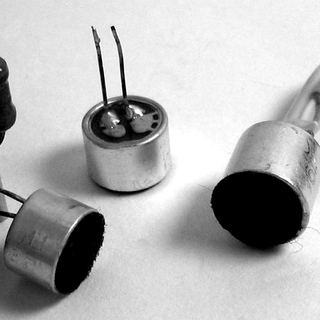
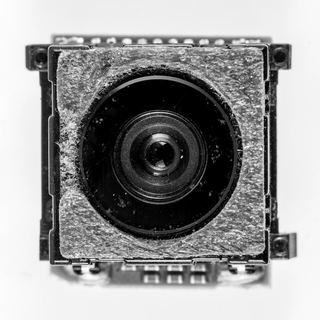
Illustrative diagram and photographs: components unrelated to any assignment. Credits
Our expertise
A TSCM inspection searches for technical devices that could capture your conversations: microphones, cameras, recorders or trackers.
Together, we define the spaces to examine, authorised access and the checks to perform. Findings and limitations are then reported within the agreed framework.
Understand our expertiseWhat we detect
Inspection contexts
The process
The initial conversation assesses your request. Sensitive information is reserved for a channel agreed together.
Explore the methodUse of the premises, timing, stakeholders and constraints: we assess the need before proposing an inspection.
Spaces, authorisations, checks and reporting arrangements are defined in the quotation and assignment framework.
You receive observations relating to the inspected scope, their limitations and relevant next steps.
The assignment framework
An inspection is not a lasting guarantee that devices are absent. It relates to accessible spaces, agreed checks and a specific point in time.
To preserve confidentiality, we publish no client names, logos or assignment details. We explain our approach without exposing those who place their trust in us.
Our approach to confidentialityFrequently asked questions
Technical Surveillance Counter-Measures: the technical search for listening and recording devices, also known as a technical sweep.
Before a sensitive meeting, following a change of premises or when you wish to inspect a particular environment. An initial qualification helps determine whether an inspection is appropriate.
No. Findings relate to the accessible scope, the techniques agreed and the time of the inspection. Limitations must be explained in the reporting.
Requests in Switzerland, Belgium and Luxembourg are assessed individually, taking account of access, local requirements and travel arrangements.
An initial conversation establishes the locations, timing and arrangements. Services are quoted individually after defining the scope.
Microphones and audio transmitters, concealed cameras, standalone recorders, GPS and Bluetooth trackers, and any device transmitting by radio, Wi-Fi, Bluetooth or mobile network within the agreed scope.
No. Jamming communications is prohibited in France (Article L. 33-3-1 of the French Post and Electronic Communications Code) and neutralising a drone is reserved for State authorities. We detect, locate and document; any follow-up is handled with the competent authorities.
A tracker that is switched off or set to airplane mode emits no radio, Wi-Fi or Bluetooth signal: a search based solely on emission detection will not identify it in that state. Non-linear junction detection (NLJD), however, picks up electronics even when switched off, and physical inspection of the agreed scope settles the question. That inspection covers the objects, luggage, vehicle and furniture included.
There is no fixed frequency that applies to every situation. The right rhythm depends on how exposed the location is, on events taking place there (a negotiation, a change of occupants, renovation work, a visit by a third party) and on the context of each organisation or individual. This is discussed case by case during the initial conversation.
Connected glasses capable of filming or recording generally communicate by Bluetooth or Wi-Fi with a paired phone. A spectrum analysis covering these protocols can identify this type of emission within the scope examined, in the same way as other connected equipment. As with any device, detection depends on the timing and the communication mode the device is using.
Checking a location (microphones, cameras, listening or tracking devices within a physical scope) and analysing a phone or a computer are different kinds of work. A suspicion of software compromise (a device being spied on, malware) is examined separately, with tools and expertise specific to digital forensics. Mention this during the initial conversation so the request can be directed appropriately; no forensic analysis is promised as part of a premises inspection.